René de Baaij
Human leadership. Intelligent organizations.
-

Record It as If You Will Need Proof Later 4/12
In healthy organisations, memory is something soft. In unhealthy ones, it becomes a battleground. Part four of a series on dealing with a leader who bends rules and makes people feel small.
-
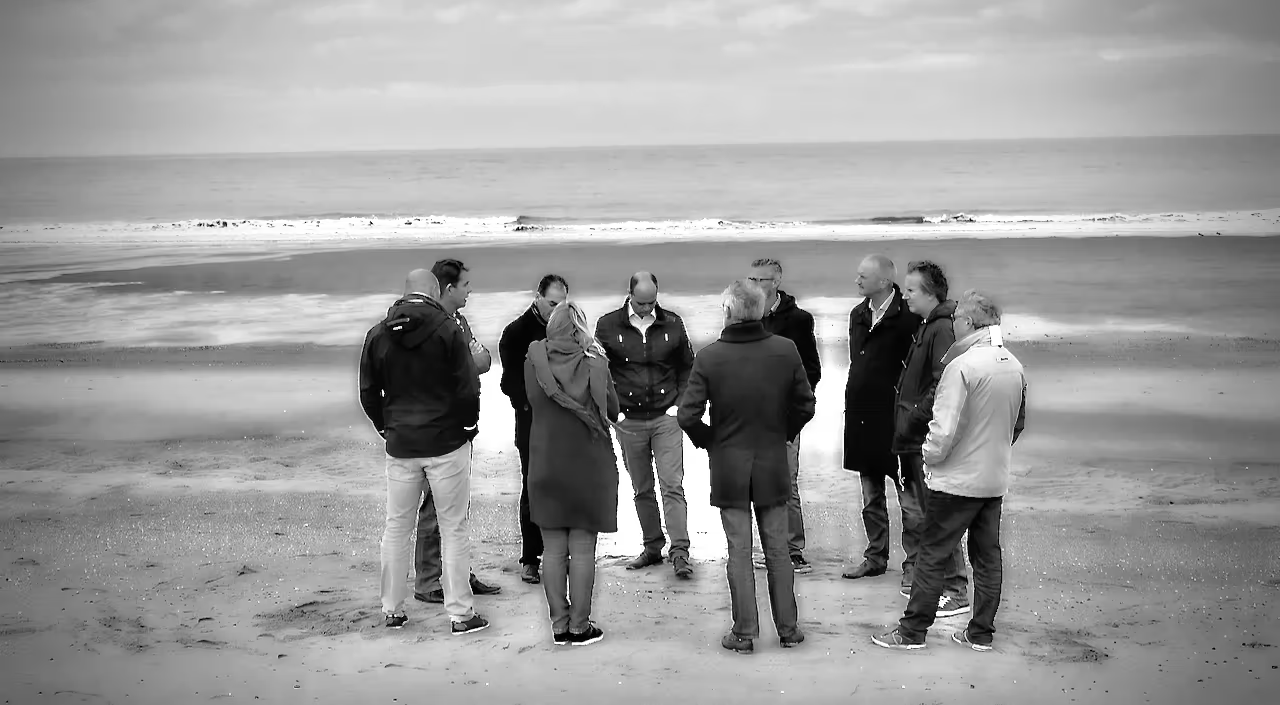
AI Does Not Change People into a Different Species
The screen lights up before the meeting room fills. Someone sighs with relief, someone else frowns. In those microreactions lies the whole field exposed: AI as promise, as threat, as mirror.
-
Governance as Civilisation 3/12
You believe that if you just explain it well enough, the penny will drop. But where power personalises, status rarely loses to logic. Part three of a series on dealing with a leader who bends rules.
-
When Dominance Takes the Lead 1/12
An agreement that turns out different in practice. A decision rewritten in a conversation you weren’t part of. That is how it starts, almost invisibly. The first instalment in a series about dealing with a leader who bends rules and makes people feel small.